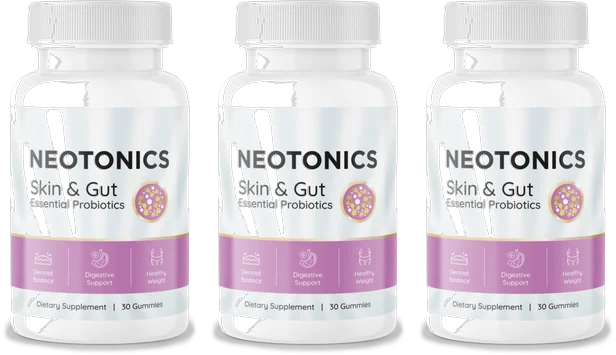
Nobody has studied Neotonics side effects directly, so we checked its ten label ingredients one by one. For prices and refund terms, see the Neotonics overview.
Is Neotonics safe to take?
No safety data on the product exist. For most healthy adults the ingredient list looks low risk, with one exception: babchi, a seed that case reports tie to liver injury and to sun reactions. The label does not say how much of it a gummy contains.[1][4]
| Safety study of Neotonics | None published |
|---|---|
| Daily serving | 1 gummy: Bacillus coagulans 500 million CFU plus a 430 mg blend of 9 plant items[1] |
| Doses shown for the 9 plants | None; 430 mg split 9 ways averages about 48 mg each[1] |
| Biggest single concern | Babchi seed: liver injury case reports and sun sensitivity[4][7] |
| FDA recalls and adverse event reports | None found for "neotonics", searched October 19, 2026[13][14] |
| FDA warning letters | Not checked: the FDA search page did not load |
The vendor's FAQ says "With more than 170,000 customers, we haven't seen any notable side effects" and calls the gummy "designed for all ages and medical conditions".[2] Its own label tells anyone with a medical condition or on medication to consult a doctor first.[1]
Why is babchi the main Neotonics side effect concern?
Babchi (Psoralea corylifolia) seed has been linked to acute hepatitis in case reports, and it contains psoralens, compounds that make skin react to sunlight. One review called the seed "one of the emerging hepatotoxins".[4]
A UK patient developed acute hepatitis after taking babchi seeds for vitiligo, and it cleared once she stopped.[5] In China, a 53-year-old woman died of acute liver failure after about seven months of tablets that contained the seed.[6] A child using the seeds for vitiligo had a severe phototoxic skin reaction.[7]
Those cases involved unknown doses. Neotonics hides its babchi amount inside the 430 mg blend, so the gummy may contain far less; nobody outside the company can check.[1] The vendor says babchi "Boosts skin rejuvenation", but no study shows that swallowing it helps wrinkles.[3]
What side effects can the other Neotonics ingredients cause?
Mostly stomach effects and allergies. NCCIH lists diarrhea and nausea for fenugreek, and heartburn, abdominal discomfort and diarrhea for ginger.[10][11] At an average of about 48 mg per plant, the amounts are far below most studied doses. Each one is profiled in our Neotonics ingredients guide.
| Ingredient | Reported side effects | Who should be careful |
|---|---|---|
| Bacillus coagulans, 500 million CFU | Well tolerated in IBS trials; NCCIH notes rare serious infections with probiotics[8] | Severely ill or immunocompromised people |
| Babchi seed powder | Liver injury case reports; sun reactions[4][7] | Liver disease, pregnancy, photosensitizing drugs |
| Fenugreek powder | Diarrhea, nausea; can cause serious allergic reactions[10] | Pregnancy, diabetes medicines |
| Ginger root extract | Heartburn, abdominal discomfort, diarrhea[11] | Warfarin users[12] |
| Fennel seed powder | Contains estragole, a rodent carcinogen; regular use flagged[15] | Celery, carrot or mugwort allergy; hormone-sensitive conditions |
| Dandelion leaf powder | Allergy possible; little known above food amounts[9] | Ragweed, daisy or marigold allergy; diuretics |
| Lemon balm leaf extract | May cause drowsiness | Sedatives and sleep drugs |
| Lion's mane powder | None in small trials; mushroom allergy possible | Mushroom allergy |
| Slippery elm bark powder | Few human safety data | Anyone taking other oral medicines |
| Chicory root inulin | A fibre; gas and bloating are typical at gram doses | IBS or FODMAP-sensitive people |
The label's "No Allergens" line does not cover plant allergies like these.[1]
Which medicines could interact with Neotonics?
No study has tested Neotonics with any medicine. Most of these flags are theoretical.
- Drugs that make skin sun-sensitive, such as tetracyclines, fluoroquinolones, thiazide water pills and retinoids. Psoralens in babchi could add to the effect.[7]
- Blood thinners. Ginger appears on a review list of herbs linked to raised bleeding risk with warfarin, and NCCIH flags dandelion with anticoagulants.[12][9]
- Diabetes medicines. NCCIH says large fenugreek doses may cause a harmful drop in blood sugar, and flags dandelion too.[10][9]
- Water pills and lithium. NCCIH flags dandelion with diuretics.[9]
- Antibiotics and immunosuppressants. Antibiotics may blunt a probiotic; NCCIH urges caution in people with weak immune systems.[8]
Our page on how to take Neotonics covers timing around other pills. If your doctor is fine with you trying it, the vendor's checkout shows the current price and 60-day refund terms; we earn a commission if you buy through this link.
Who should not take Neotonics without a doctor?
These groups should ask first, whatever the FAQ says about "all ages and medical conditions".[2]
- People with liver disease or heavy alcohol use[4]
- Anyone pregnant or breastfeeding (babchi, fenugreek, dandelion and slippery elm all carry cautions or lack data)[10][9][16]
- People on photosensitizing drugs or light therapy for skin conditions[7]
- Anyone on blood thinners, diabetes medicines, water pills or lithium[9][12]
- People who are severely ill or immunocompromised[8]
- People with hormone-sensitive conditions or on tamoxifen, because fennel has plant-estrogen activity (a theoretical caution)
- Children: the label directions are for adults[1]
Which symptoms mean you should stop Neotonics?
Stop and call a doctor if your skin or the whites of your eyes turn yellow, a common sign of liver injury like that in the babchi case reports.[5][6] Stop if your skin burns or blisters after sun exposure.[7] Call 911 for swelling of the face or throat or trouble breathing; fenugreek can cause serious allergic reactions.[10]
Tell your doctor about any reaction; you can also report it to the FDA.[17] Keep the bottle and order email, since a refund means returning every bottle within 60 days of delivery.[2]
What is the bottom line on Neotonics side effects?
For a healthy adult, mild stomach upset is the likeliest problem. Babchi is the real question mark, because of its liver and sun-sensitivity case reports and its hidden dose. Whether it helps skin is covered in does Neotonics work.
We judged Neotonics using our How We Review method, after reading the vendor's label and FAQ and searching openFDA on October 19, 2026. We received no free product.
Back to the full Neotonics overview.
Frequently asked questions
What are the most common Neotonics side effects?
None have been published for the gummy itself. Its ingredients are linked mainly to mild stomach effects such as diarrhea, nausea and heartburn from fenugreek and ginger. The larger concern is babchi, tied in case reports to liver injury and sun reactions.
Can Neotonics damage your liver?
There is no report of liver injury from Neotonics. It does contain babchi seed, which case reports link to acute hepatitis, including one death after months of babchi-containing tablets. The gummy hides its babchi dose, so ask a doctor first if you have liver disease.
Does Neotonics make you sensitive to the sun?
It might. Babchi seed contains psoralens, which make skin react to sunlight, and a child using the seeds had a severe phototoxic reaction. The gummy's babchi dose is not disclosed. Be careful if you also take tetracyclines, fluoroquinolones, thiazides or retinoids.
Is Neotonics safe during pregnancy?
Ask your doctor before using it. Babchi should be avoided in pregnancy, NCCIH says fenugreek is not safe above food amounts in pregnancy, and dandelion and slippery elm have no pregnancy or breastfeeding data. The label also tells pregnant or nursing women to consult a doctor.
Has the FDA approved Neotonics?
No. The FDA does not approve dietary supplements or the facilities that make them, although the vendor's FAQ says it is 'manufactured in an FDA-approved facility'. The label carries the standard statement that the FDA has not evaluated its claims.
Sources
- Neotonics references page and Supplement Facts label (REV 08/25). Neotonics vendor site, undated (read October 19, 2026).
- Neotonics contact page and FAQ. Neotonics vendor site, undated (read October 19, 2026).
- Neotonics text presentation: ingredient claims. Neotonics vendor site, undated (read October 19, 2026).
- Cheung et al.: acute hepatitis after Fructus Psoraleae, three cases. PubMed, US National Library of Medicine, 2009 (read October 19, 2026).
- Smith et al.: acute hepatitis from babchi seeds taken for vitiligo. PubMed, US National Library of Medicine, 2014 (read October 19, 2026).
- Li et al.: fatal acute liver failure after tablets containing Fructus Psoraleae. PubMed, US National Library of Medicine, 2019 (read October 19, 2026).
- Severe phototoxic reaction in a child using Psoralea corylifolia seeds. PubMed, US National Library of Medicine (read October 19, 2026).
- Probiotics: What You Need To Know. National Center for Complementary and Integrative Health (read October 19, 2026).
- Dandelion (archived copy). National Center for Complementary and Integrative Health (read October 19, 2026).
- Fenugreek. National Center for Complementary and Integrative Health, February 2025 (read October 19, 2026).
- Ginger (archived copy). National Center for Complementary and Integrative Health (read October 19, 2026).
- Systematic review of herbs linked to bleeding risk with warfarin. PubMed, US National Library of Medicine (read October 19, 2026).
- openFDA food adverse event (CAERS) search for Neotonics. US Food and Drug Administration, query run October 19, 2026 (read October 19, 2026).
- openFDA food recall (enforcement) search for Neotonics. US Food and Drug Administration, query run October 19, 2026 (read October 19, 2026).
- Estragole in fennel preparations: margin-of-exposure assessment. PubMed, US National Library of Medicine (read October 19, 2026).
- Slippery Elm, Drugs and Lactation Database monograph. NCBI Bookshelf, US National Library of Medicine (read October 19, 2026).
- Dietary Supplements: What You Need to Know. NIH Office of Dietary Supplements (read October 19, 2026).
This page is general information, not medical advice. Dietary supplements are not reviewed by the FDA for safety or effectiveness before they are sold and are not intended to diagnose, treat, cure or prevent any disease. Talk to your doctor before taking any supplement, especially if you are pregnant, nursing, take medication or have a health condition.